
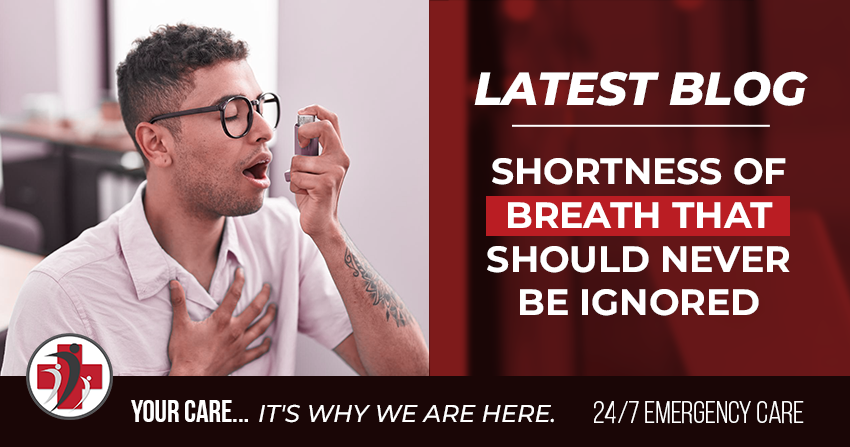
We’ve all felt winded after running to catch a bus or climbing stairs. That’s normal. But what about feeling breathless doing things that never used to bother you? Or struggling to catch your breath while sitting still?
Shortness of breath, medically called dyspnea, is your body’s way of saying something isn’t right. While it can happen from intense exercise, it can also signal serious health problems needing immediate attention.
This guide will help you recognize warning signs that should never be ignored and understand when breathing difficulty demands medical care.
Common Causes of Shortness of Breath
Understanding what triggers breathing difficulties helps you identify patterns and take appropriate action.
Asthma and Allergies
Asthma causes your airways to narrow and produce extra mucus, making breathing feel like pulling air through a straw. Allergies can trigger similar reactions when your body responds to pollen, dust, or pet dander. You might notice wheezing, coughing, or chest tightness alongside breathlessness.
Respiratory Infections
Common colds, flu, bronchitis, and pneumonia all affect your lungs’ ability to function. Inflammation and mucus buildup make breathing harder. What starts as a simple cough can progress to serious trouble if left untreated, especially in young children, older adults, or those with weakened immune systems.
Heart-Related Issues
Your heart and lungs work as a team. When your heart struggles to pump blood efficiently, fluid can back up into your lungs, making breathing difficult. Heart failure, coronary artery disease, or heart attacks often announce themselves through unexplained shortness of breath.
If you notice breathing problems with chest discomfort, arm pain, or unusual sweating, your heart might be sending distress signals.
Anxiety and Panic Attacks
During anxiety or panic attacks, your breathing pattern changes, often becoming rapid and shallow. This creates a frightening cycle where difficulty breathing increases anxiety, which worsens breathing.
While anxiety-related breathlessness is real, it’s important to rule out physical causes first. Never assume it’s “just anxiety” without a proper medical evaluation.
Early Warning Signs
Catching breathing problems early gives you the best chance for successful treatment.
Feeling Breathless During Light Activity
Notice if activities that used to be easy now leave you winded. If walking to your mailbox, folding laundry, or getting dressed makes you stop to catch your breath, that’s a red flag worth investigating.
This isn’t normal aging or being out of shape, it’s a sign that something needs medical attention.
Wheezing or Coughing
A persistent wheeze, that high-pitched whistling sound when you breathe, signals narrowed airways. Coupled with a cough that won’t quit, especially one producing mucus or worsening at night, this combination deserves medical attention.
A cough lasting more than three weeks or accompanied by breathing difficulty needs evaluation.
Fatigue or Dizziness
When your body isn’t getting enough oxygen, everything slows down. You might feel unusually tired, even after a full night’s sleep. Dizziness or lightheadedness, especially when standing or exerting yourself, suggests your brain isn’t receiving adequate oxygen-rich blood.
Moderate Symptoms That Need Attention
These symptoms indicate your breathing issue is progressing and requires prompt medical evaluation.
Rapid Breathing
Count your breaths for one minute while at rest. Normal adult breathing is 12 to 20 breaths per minute. Consistently breathing faster, especially without physical exertion, indicates your body is working too hard to get oxygen.
Chest Tightness or Discomfort
That feeling of a band squeezing your chest or a heavy weight pressing down shouldn’t be dismissed. It could indicate asthma, heart problems, or other serious conditions. If tightness intensifies during activity or comes with shortness of breath, seek medical care within 24 hours.
Swelling in Legs or Feet
Unexpected swelling in your lower extremities, especially when paired with breathing difficulty, often points to heart or circulation problems. When your heart can’t pump effectively, fluid accumulates in your lungs and lower body.
Notice if your shoes feel tighter, if pressing on your shin leaves an indentation, or if your ankles look puffy by evening. Combined with shortness of breath, this requires immediate medical attention.
Severe Shortness of Breath (Seek Medical Help Immediately)
These symptoms constitute medical emergencies. Don’t hesitate to call emergency services.
Shortness of Breath at Rest
If you struggle to breathe while sitting still or lying down, your condition is serious. You might need to prop yourself up with pillows to breathe comfortably, or wake up gasping for air. This isn’t something to monitor at home. You need emergency care.
Blue Lips or Face
A bluish tint to your lips, face, or fingernails, called cyanosis, means your blood isn’t carrying enough oxygen. This is a medical emergency requiring immediate intervention. Call emergency services right away.
Severe Chest Pain or Confusion
Crushing chest pain, pain radiating to your jaw, neck, or arms, along with breathing difficulty, suggests a possible heart attack. Similarly, if shortness of breath comes with confusion, inability to stay awake, or extreme agitation, these are critical warning signs.
Every minute matters in these situations. Call for emergency help immediately. Don’t drive yourself to the hospital, and don’t wait to see if symptoms improve.
Shortness of Breath in Children and Infants
Children, especially babies, show breathing distress differently from adults. Parents need to watch for these specific signs.
Fast Breathing and Flaring Nostrils
Count your child’s breaths while they’re calm or sleeping. Newborns breathe 30-60 times per minute, infants 20-40 times, and older children 12-30 times. Breathing significantly faster than normal, especially with nostrils flaring wide with each breath, signals respiratory distress.
Retractions (Skin Pulling In)
Watch your child’s chest and neck. If you see the skin pulling in between ribs, above the collarbone, or just below the ribcage with each breath, their body is working extremely hard to breathe. This requires immediate medical attention.
Difficulty Feeding
Babies who are too breathless to eat normally, who gasp during feeding, or who seem exhausted after eating just a little, aren’t getting enough air. A baby shouldn’t have to choose between breathing and eating. This is an emergency.
Other warning signs include a pale or bluish color, grunting with breathing, extreme fussiness, or unusual lethargy. Trust your instincts. If your child seems to be struggling to breathe, seek help immediately.
How to Monitor at Home Safely
Knowing how to monitor symptoms safely helps you make informed decisions.
Checking Breathing Rate
Learn to count breaths accurately. Watch the chest rise and fall, counting each cycle as one breath. Do this while the person is relaxed for the most accurate reading. Note the number, time, and any factors that might affect it.
Observing Activity Tolerance
Notice what activities trigger breathlessness. Can you walk around your home comfortably? Climb one flight of stairs? Have a conversation without pausing for breath?
If your tolerance decreases or you’re limiting activities because of breathing concerns, contact your doctor.
When to Call Emergency Services
Don’t second-guess yourself. Call emergency services if:
- Breathing becomes severely difficult or stops
- Lips or face turn blue
- Confusion or inability to stay alert develops
- Severe chest pain accompanies breathing difficulty
- Symptoms rapidly worsen
It’s always better to be checked and reassured than to wait too long.
Prevention and Healthy Habits
Healthy habits reduce your risk and improve outcomes.
Avoiding Triggers
If you have asthma or allergies, identify and avoid your triggers when possible. This might mean using air purifiers, avoiding outdoor activities during high pollen counts, or keeping pets out of bedrooms. Stay away from secondhand smoke.
Maintaining a Healthy Weight and Activity
Extra weight makes your heart and lungs work harder. Even moderate weight loss can significantly improve breathing. Regular physical activity strengthens your cardiovascular system and improves lung capacity.
Vaccinations and Respiratory Health
Stay current on vaccines, including annual flu shots and pneumonia vaccines as recommended. These prevent respiratory infections that can cause serious breathing problems.
If you smoke, quitting is the single best thing you can do for your respiratory health.
Common Myths About Shortness of Breath
Misconceptions about breathing difficulty can delay crucial treatment. Let’s address common myths.
“It’s Just Because I’m Out of Shape”
While poor fitness can make you breathless during exercise, being winded during normal daily activities isn’t simply about conditioning. If you can’t walk across a room or carry groceries without stopping to catch your breath, that’s not being out of shape. That’s a medical issue requiring evaluation.
“It’s Normal with Aging”
Aging doesn’t mean accepting serious breathlessness. Yes, lung capacity decreases slightly with age, but you shouldn’t struggle to breathe during routine activities. Many older adults remain active and breathe comfortably well into their 80s and 90s.
Dismissing breathing problems as “just getting older” can mask serious conditions like heart disease or COPD that need treatment.
“Breathlessness Will Go Away on Its Own”
Some causes of shortness of breath do resolve without intervention, like breathlessness after intense exercise or mild altitude sickness. However, persistent, worsening, or unexplained breathing difficulty rarely disappears on its own.
Hoping it will improve while avoiding medical care allows conditions to progress. Early treatment often prevents complications and improves outcomes dramatically.
Final Thoughts
Your breath is your life force. When something interferes with breathing, your body is sending an urgent message.
Learning to recognize warning signs empowers you to take action when it matters most. Shortness of breath can signal problems ranging from easily treatable conditions to life-threatening emergencies, but timely recognition can prevent serious complications and save lives.
Don’t let worrying about “overreacting” stop you from seeking help. Pay attention to your body, notice changes, and don’t ignore shortness of breath that feels different or concerning. Your awareness gives you the tools to protect your health and the health of those you love.