
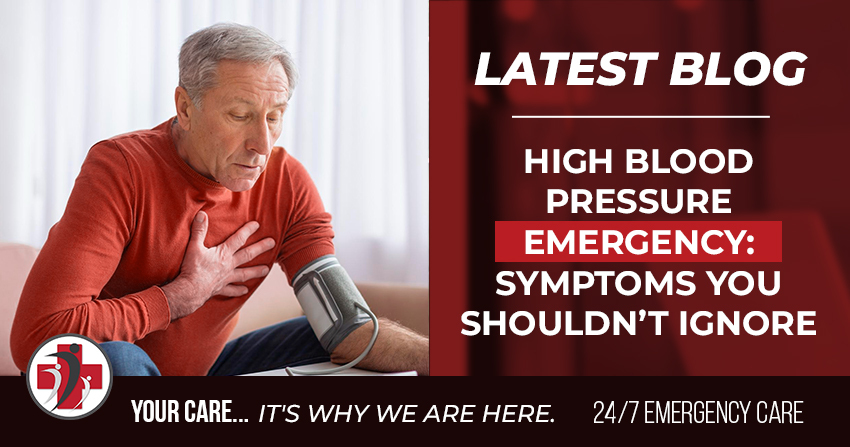
High blood pressure, or hypertension, is often called the “silent killer” because it typically shows no symptoms while quietly damaging your heart, kidneys, and blood vessels. A blood pressure emergency, or hypertensive crisis, occurs when blood pressure rises so dangerously high that it threatens your organs and requires immediate medical attention.
What Is a High Blood Pressure Emergency?
Normal blood pressure reads around 120/80 mmHg. When readings exceed 180/120 mmHg, you’re experiencing a hypertensive crisis—a medical emergency. At these levels, your blood vessels, heart, brain, and kidneys are at immediate risk of damage. This isn’t just high blood pressure; it’s a life-threatening situation demanding urgent care.
Common Symptoms You Shouldn’t Ignore
Recognize these warning signs:
1. Severe headache
Often described as the worst headache of your life, this indicates dangerous pressure in your brain’s blood vessels.
2. Chest pain
May signal your heart is under extreme stress or not getting enough oxygen.
3. Shortness of breath
Your heart may be struggling to pump effectively, causing fluid buildup in your lungs.
4. Blurred vision
High pressure can damage the delicate blood vessels in your eyes.
5. Nausea or vomiting
Your body’s response to extreme stress and organ dysfunction.
6. Dizziness
Indicates your brain isn’t receiving proper blood flow.
7. Nosebleeds
Though less common, can occur with severely elevated pressure.
8. Confusion or anxiety
Signals your brain is being affected by dangerously high pressure.
Silent Symptoms: When There Are No Clear Signs
The most dangerous aspect of high blood pressure is that it can reach emergency levels without any obvious symptoms. Some people feel completely fine even when their blood pressure is critically high. This is why regular blood pressure monitoring is essential, especially if you have risk factors. Don’t wait for symptoms to appear—check your blood pressure regularly.
Who Is at Higher Risk?
Certain factors increase your risk of a blood pressure emergency:
- History of high blood pressure
If you already have hypertension, you’re at higher risk for a crisis, especially if it’s poorly controlled. - Heart disease or diabetes
These conditions damage blood vessels and increase emergency risk. - Smoking
Nicotine constricts blood vessels and raises blood pressure dangerously. - Obesity
Excess weight forces your heart to work harder, elevating pressure. - Stress and unhealthy lifestyle
Chronic stress, poor diet, lack of exercise, and excessive alcohol consumption all contribute to dangerous spikes.
What To Do During a High Blood Pressure Emergency
If you suspect a blood pressure emergency, follow these steps:
- Stay calm
Panic can raise your blood pressure further. Sit down and try to breathe slowly. - Do not self-medicate
Don’t take extra blood pressure pills or any medication without medical guidance. This can cause your pressure to drop too quickly, leading to stroke or organ damage. - Seek immediate emergency care
Call emergency services or have someone drive you to the nearest emergency room immediately. Time is critical. - Importance of 24/7 emergency services
Blood pressure emergencies can happen anytime. Seek facilities with round-the-clock emergency care and specialists.
How Doctors Treat a Blood Pressure Emergency
In the emergency room, medical teams work quickly:
1. Monitoring
Continuous blood pressure monitoring tracks your response to treatment.
2. IV medications
Doctors administer fast-acting medications through an IV to gradually lower your blood pressure to safer levels.
3. Tests like ECG and blood tests
These check for heart damage, kidney function, and other organ complications.
4. Observation and stabilization
You’ll be closely monitored until your blood pressure stabilizes and doctors confirm no organ damage has occurred.
How to Prevent a Blood Pressure Emergency
Prevention is your best defense:
- Healthy low-salt diet
Reduce sodium intake to less than 2,300 mg daily. Eat fruits, vegetables, whole grains, and lean proteins. - Regular exercise
Aim for at least 150 minutes of moderate activity weekly to strengthen your heart. - Stress control
Practice relaxation techniques like meditation, deep breathing, or yoga. - Regular BP monitoring
Check your blood pressure at home and keep a log. Share results with your doctor. - Taking prescribed medicines properly
Never skip doses or stop medications without consulting your doctor. Consistency is crucial.
When to Go to the ER Immediately
Go to the emergency room without delay if you experience severe headache, chest pain, difficulty breathing, vision changes, or severe anxiety combined with high blood pressure readings. Delaying treatment can result in stroke, heart attack, kidney failure, or death. When it comes to a hypertensive crisis, minutes matter.
Conclusion
High blood pressure emergencies are serious but preventable. Stay aware of your blood pressure numbers, recognize warning signs, and never ignore emergency symptoms. Regular monitoring, healthy lifestyle choices, and proper medication adherence can prevent dangerous spikes. Remember: your health and safety come first. When in doubt, seek immediate medical care. It’s always better to be cautious than to risk permanent damage or loss of life. Take charge of your heart health today.