
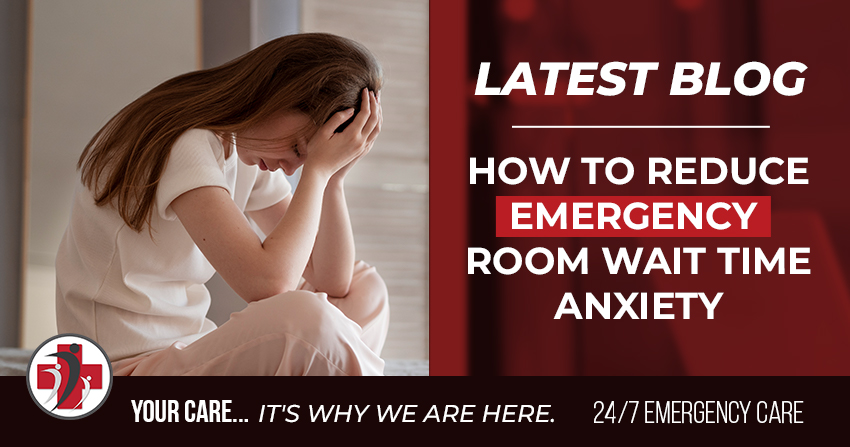
Waiting in an emergency room can feel overwhelming. You’re already dealing with pain, worry, or fear and then you have to wait, sometimes for hours, not knowing when you’ll be seen or what’s happening next.
That uncertainty can trigger something called emergency room wait time anxiety. It’s that tight feeling in your chest, the racing thoughts, the constant clock-watching. You’re not alone in feeling this way. Thousands of people experience hospital waiting stress every single day.
The good news? There are simple, practical ways to reduce ER anxiety and help yourself feel calmer while you wait. In this blog, you’ll learn why ER waits happen, what anxiety feels like in these moments, and most importantly—how to stay calm in ER waiting rooms using techniques that really work.
What Is Emergency Room Wait Time Anxiety?
Emergency room wait time anxiety is the stress and nervousness you feel while waiting to be seen by a doctor in the ER. It’s a normal emotional response to an uncertain and uncomfortable situation.
Why does it happen? Several reasons:
- Fear of the unknown: You don’t know what’s wrong or how serious it is.
- Physical discomfort: You might be in pain, nauseous, or exhausted.
- Lack of control: You can’t speed things up or predict when you’ll be called.
- Unfamiliar environment: ERs are loud, bright, and filled with unfamiliar sounds and smells.
- Worry about loved ones: If you’re waiting for a family member, the anxiety can feel even more intense.
This kind of patient anxiety in hospital settings is completely valid. Your mind and body are reacting to stress, and that’s okay.
Why Do Emergency Rooms Have Long Wait Times?
Understanding why you’re waiting can actually help reduce your anxiety. Here’s what’s happening behind those double doors:
The Triage System
When you arrive at the ER, a nurse assesses your symptoms using a system called triage. This helps determine who needs immediate care and who can wait safely.
Patients are ranked by urgency, not by arrival time. Someone having a heart attack will always be seen before someone with a sprained ankle even if they arrived later.
Serious Cases Are Treated First
Life-threatening emergencies take priority. This means your wait time depends on how critical your condition is and how many critical patients are ahead of you.
Staff Shortages
Many hospitals are understaffed, especially during nights, weekends, and flu season. Fewer doctors and nurses mean longer waits for everyone.
High Patient Volume
ERs see hundreds of patients daily. Some days are busier than others due to accidents, outbreaks, or seasonal illnesses.
Time Needed for Tests and Reports
Even after you’re called back, there’s often more waiting—for blood work, X-rays, CT scans, or specialist consultations. These tests take time to complete and analyze.
Knowing this doesn’t make waiting easier, but it reminds you that the delay isn’t personal—it’s about keeping everyone safe.
Common Symptoms of ER Anxiety
How do you know if you’re experiencing emergency room stress relief needs? Here are common signs:
- Restlessness: You can’t sit still, you pace, or constantly shift positions.
- Fast heartbeat: Your pulse races even though you’re sitting down.
- Overthinking: Your mind spirals with worst-case scenarios or “what ifs.”
- Irritation: Small things annoy you more than usual—noises, delays, or other people.
- Panic feelings: You might feel trapped, scared, or like something terrible is about to happen.
Recognizing these symptoms is the first step. Once you know what you’re feeling, you can take action to calm yourself.
How to Reduce Emergency Room Wait Time Anxiety
Here are proven ER waiting tips that can help you feel more in control and less stressed.
Take Slow, Deep Breaths
Breathing exercises are one of the fastest ways to calm your nervous system.
Try this simple technique:
- Breathe in slowly through your nose for 4 counts.
- Hold your breath gently for 4 counts.
- Exhale slowly through your mouth for 6 counts.
- Repeat 5–10 times.
This tells your body that you’re safe and helps slow your racing heart.
Distract Your Mind
Waiting feels longer when you focus only on the wait. Give your mind something else to do:
- Listen to calming music or a favorite podcast.
- Watch a comforting show or funny videos on your phone.
- Read a book, magazine, or articles.
- Play a simple game or do a puzzle.
- Text a friend or loved one (if you’re up to it).
Even small distractions can make a big difference in how you feel.
Stay Informed
Uncertainty fuels anxiety. Politely asking for updates can help.
Every hour or so, you can approach the front desk and say:
“Hi, I’m just checking in. Can you give me a rough idea of how much longer it might be?”
Most staff understand that waiting is hard. They may not have exact answers, but even hearing “You’re next in line” or “It should be within the hour” can ease your mind.
Bring a Support Person
If possible, bring a trusted friend or family member with you.
Having someone to talk to, hold your hand, or simply sit beside you can provide enormous emotional comfort. They can also help you remember medical details or speak up if you’re too anxious or unwell.
Stay Comfortable
Small physical comforts can reduce hospital waiting stress:
- Stay hydrated: Bring a water bottle (if allowed) or ask for water.
- Bring light snacks: If you’re able to eat, crackers or a granola bar can help.
- Adjust your posture: Change positions often to avoid stiffness.
- Dress in layers: ERs can be cold, so bring a sweater or jacket.
- Use a neck pillow: If you have one, it can help you rest more comfortably.
Taking care of your basic needs helps your body relax.
Focus on What You Can Control
You can’t control how fast the ER moves, but you can control how prepared you are.
Bring these with you:
- A list of your current medications (names and dosages).
- Your insurance card and ID.
- A brief note of your symptoms and when they started.
- Any relevant medical history (allergies, past surgeries, chronic conditions).
Being organized helps you feel more confident and makes things smoother when you’re finally called.
How Hospitals Can Help Reduce Patient Anxiety
Emergency room staff want to help you feel safe. Here’s what many hospitals are doing to improve the experience:
- Clear communication: Explaining wait times and what’s happening next.
- Friendly staff behavior: Compassionate, patient-centered care reduces fear.
- Calm waiting environments: Some ERs now have quieter areas, softer lighting, or family rooms.
- Regular updates: Digital boards or announcements that keep patients informed.
If your hospital offers resources like patient advocates or social workers, don’t hesitate to ask for help.
When Anxiety Becomes Serious
Sometimes, ER anxiety itself can become a medical concern. Watch for these warning signs:
- Panic attacks: Sudden, intense fear with difficulty breathing or chest tightness.
- Severe chest pain: Could be anxiety—or could be something else. Always tell staff.
- Feeling faint or dizzy: Don’t ignore this, especially if it’s new or worsening.
- Trouble catching your breath: If breathing becomes hard, alert someone immediately.
Don’t hesitate to speak up. Tell a nurse or staff member if your anxiety feels out of control. They can help.
Tips for First-Time ER Visitors
If this is your first time in an emergency room, here’s what to expect:
What to bring:
- ID and insurance card
- Phone and charger
- Comfort items (book, headphones, sweater)
- Medication list
What to expect:
- You’ll check in at the front desk.
- A triage nurse will ask about your symptoms.
- You’ll wait until called based on urgency.
- You may be moved to a bed or room, then wait again for tests or doctors.
How to stay calm:
- Remind yourself that waiting means you’re stable enough to wait.
- Use the breathing and distraction tips above.
- Be kind to yourself—it’s okay to feel nervous.
Conclusion
Waiting in the emergency room is never easy, but you don’t have to let anxiety take over. By understanding why waits happen, recognizing your own anxiety symptoms, and using practical coping strategies like deep breathing, staying informed, and bringing a support person, you can reduce ER anxiety and feel more in control. Remember, you’re in the ER because you’re taking care of yourself or someone you love, and that’s a brave and responsible thing to do. Be patient with yourself, take it one breath at a time, and know that help is on the way. You’ve got this.
FAQs (Frequently Asked Questions)
Wait times vary widely depending on the hospital, time of day, and how busy they are. On average, patients might wait 1 to 3 hours to see a doctor, though it can be shorter or much longer. Critical cases are seen immediately, while non-urgent cases may wait several hours during peak times.
Yes, absolutely. Feeling anxious in an ER is a common and natural response to uncertainty, discomfort, and stress. You’re in an unfamiliar place, often in pain or worried, and you don’t know what will happen next. These feelings are completely valid and experienced by most ER patients.
Some hospitals are working on faster triage systems, better staffing, and urgent care partnerships to reduce waits. However, serious cases will always be prioritized. Individual wait times depend on how busy the ER is and how critical your condition is compared to other patients.
Usually, no. Anxiety is uncomfortable but not harmful on its own. However, if your anxiety causes symptoms like chest pain, trouble breathing, or severe dizziness, always tell medical staff so they can rule out other medical causes that need immediate attention.
If your condition is not life-threatening, urgent care centers often have shorter wait times. Consider urgent care for issues like minor cuts, sprains, flu symptoms, or mild infections. Go to the ER for chest pain, severe bleeding, difficulty breathing, stroke symptoms, or any life-threatening emergency.
Technically, yes—you can leave at any time. However, if you were triaged, the medical staff assessed that you need care. Leaving without being seen, called “leaving against medical advice,” could be risky if your condition worsens. If you’re considering leaving, talk to the staff first about your concerns.
If your symptoms worsen while you’re in the waiting room, immediately tell the front desk or triage nurse. They will reassess you and may move you up in priority. Never suffer in silence—emergency room staff need to know if your condition changes.
Normal anxiety causes worry, restlessness, and tension that comes and goes. A panic attack involves sudden, intense fear with physical symptoms like racing heart, sweating, trembling, shortness of breath, and feeling like you’re losing control. Panic attacks typically peak within 10 minutes. If you experience these symptoms, inform the medical staff right away.
If you notice another patient showing signs of serious distress—such as difficulty breathing, chest pain, collapsing, or severe bleeding—immediately alert the front desk or any medical staff. Don’t assume someone else has noticed. Your quick action could help save someone’s life.