
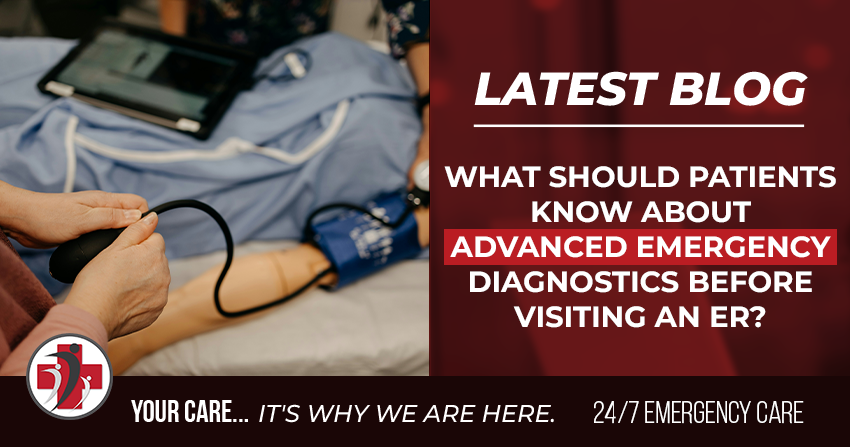
During a medical emergency, every second matters. Whether someone is experiencing chest pain, severe abdominal discomfort, difficulty breathing, or symptoms of a stroke, getting answers quickly becomes one of the most important parts of treatment. This is where advanced emergency diagnostics play a critical role.
Many patients think of an emergency room as simply a place for urgent treatment, but modern ERs do much more than respond to symptoms. They are equipped with advanced diagnostic technology designed to identify serious conditions rapidly and accurately. These tools help physicians determine what is happening inside the body so treatment can begin without unnecessary delays.
Understanding how emergency diagnostics work and why they matter can help patients feel more prepared and confident before visiting an ER.
What Are Advanced Emergency Diagnostics?
Advanced emergency diagnostics refer to the medical tests and imaging tools used in emergency rooms to quickly evaluate a patient’s condition. These diagnostics help physicians identify injuries, infections, internal bleeding, heart problems, neurological conditions, and many other medical emergencies.
Unlike routine testing performed during scheduled medical visits, emergency diagnostics are designed for speed and urgency. The goal is to provide immediate insight into potentially serious conditions so doctors can make fast treatment decisions.
Modern emergency rooms often include on-site imaging, laboratory testing, and monitoring equipment, allowing patients to receive both diagnosis and treatment in the same location.
Why Diagnostics Are So Important in Emergency Care
Symptoms alone do not always reveal the full picture. Two patients may experience similar symptoms while having completely different underlying conditions.
For example, chest pain could be caused by acid reflux, muscle strain, or a life-threatening heart condition. Severe headaches may result from stress, migraines, or a neurological emergency. Without proper testing, it is difficult to know which condition is responsible.
Advanced diagnostics help emergency physicians move beyond assumptions. They provide objective information that allows doctors to identify the cause of symptoms accurately and begin the appropriate treatment immediately. In emergency medicine, this speed and precision can significantly impact patient outcomes.
Common Diagnostic Tools Used in Emergency Rooms
Modern emergency rooms Like Fountain Hills Emergency Room rely on several types of diagnostic technology to evaluate patients quickly.
One of the most common tools is imaging technology. X-rays are frequently used to detect fractures, lung infections, or other structural issues. CT scans provide detailed images of the body and are especially useful for identifying internal injuries, strokes, or bleeding.
Laboratory testing is another critical part of emergency diagnostics. Blood tests can reveal infections, organ function problems, dehydration, or signs of cardiac distress. Rapid testing also helps physicians identify illnesses such as influenza or other infections more quickly.
Cardiac monitoring tools, including electrocardiograms (EKGs), are often used when patients experience chest pain, dizziness, or irregular heart symptoms. These tests help doctors evaluate heart function within minutes.
Together, these tools allow emergency rooms to evaluate a wide range of conditions efficiently and accurately.
Faster Diagnosis Means Faster Treatment
One of the biggest advantages of advanced emergency diagnostics is speed. In many medical emergencies, early treatment can prevent complications and improve recovery.
For example, strokes and heart attacks require immediate intervention. The faster physicians can confirm the diagnosis, the faster they can begin treatment that may reduce long-term damage.
This is why emergency rooms prioritize rapid diagnostics. Instead of waiting hours or days for results, many tests are performed and reviewed during the same visit. Patients benefit not only from quicker answers but also from faster access to the care they need.
How Emergency Diagnostics Improve Accuracy
Emergency symptoms can sometimes be misleading. A patient may feel mild discomfort while experiencing a serious condition, or severe pain from something less dangerous.
Advanced diagnostics reduce uncertainty by providing a clearer understanding of what is happening inside the body. Imaging and laboratory results allow physicians to confirm or rule out conditions quickly, helping them avoid unnecessary delays or incorrect treatments. This level of accuracy is especially important during emergencies because treatment decisions often need to be made within a short period of time.
Reliable diagnostics help ensure that patients receive the right care as quickly as possible.
What Patients Should Expect During Testing
For many people, visiting an emergency room can feel stressful, especially when diagnostic testing is involved. Understanding what to expect can make the experience less overwhelming.
After initial evaluation, a physician may order tests based on your symptoms. Some patients may need blood work, while others may require imaging or cardiac monitoring. The process is typically designed to move quickly. Emergency teams prioritize efficiency because they understand the urgency of the situation.
Patients should also expect communication throughout the process. Physicians and staff generally explain why specific tests are being ordered and how the results will help guide treatment decisions.
This transparency helps patients feel more informed and reassured during a stressful experience.
Why On-Site Diagnostics Matter
Not all healthcare facilities have the same diagnostic capabilities. Some smaller clinics may need to send patients elsewhere for imaging or specialized testing, which can create delays.
Emergency rooms with on-site diagnostics provide a major advantage because everything happens in one place. Patients do not need to travel between facilities or wait extended periods for outside results.
This streamlined approach improves efficiency and allows treatment to begin more quickly.
For patients experiencing serious symptoms, having immediate access to imaging, lab testing, and monitoring can make a significant difference in outcomes.
The Role of Diagnostics in Non-Obvious Emergencies
One of the most important functions of emergency diagnostics is identifying conditions that are not immediately obvious.
Some medical emergencies begin with subtle symptoms. A patient might feel fatigue, mild dizziness, or discomfort that seems manageable at first. However, these symptoms could indicate a more serious underlying issue.
Advanced diagnostics help emergency physicians detect problems that may not be visible during a physical examination alone. This includes internal bleeding, blood clots, or early signs of organ dysfunction. Without these tools, some dangerous conditions might remain undetected until they become more severe.
Reducing Anxiety Through Clear Answers
Medical uncertainty often increases stress during emergencies. Patients may worry about what is causing their symptoms or how serious the situation might be.
Diagnostic testing helps reduce this uncertainty by providing clearer answers. Even when results show that a condition is not severe, patients benefit from knowing what is happening and understanding the next steps.
This reassurance is an important part of emergency care. It allows patients and families to make informed decisions and feel more confident in the treatment process.
Knowing When Emergency Diagnostics Are Necessary
Not every medical issue requires advanced diagnostics, but certain symptoms should always be evaluated in an emergency setting.
Chest pain, sudden weakness, severe abdominal pain, difficulty breathing, and head injuries are examples of situations where rapid testing may be critical.
In these cases, delaying care can increase the risk of complications. Emergency rooms are specifically designed to respond quickly and use diagnostics to identify potentially life-threatening conditions without delay. When symptoms feel severe, unusual, or rapidly worsening, seeking emergency care is the safest decision.
The Future of Emergency Care
Advancements in emergency diagnostics continue to improve the quality and speed of care patients receive. Modern technology allows physicians to diagnose conditions more accurately and begin treatment faster than ever before.
As healthcare evolves, emergency rooms are becoming increasingly efficient, combining advanced imaging, rapid testing, and specialized expertise into one coordinated system. For patients, this means better outcomes, shorter delays, and a more effective emergency care experience overall.
Bottom Line
Advanced emergency diagnostics are one of the most important parts of modern emergency medicine. They allow physicians to quickly identify serious conditions, reduce uncertainty, and begin treatment without unnecessary delays.
From imaging and blood tests to cardiac monitoring and rapid evaluations, these tools help emergency rooms provide fast, accurate, and life-saving care when it matters most.
Understanding how these diagnostics work can help patients feel more prepared before visiting an ER. More importantly, it reinforces the importance of seeking immediate medical attention when serious symptoms appear. Because in emergency medicine, quick answers often lead to quicker treatment,and that can make all the difference.