
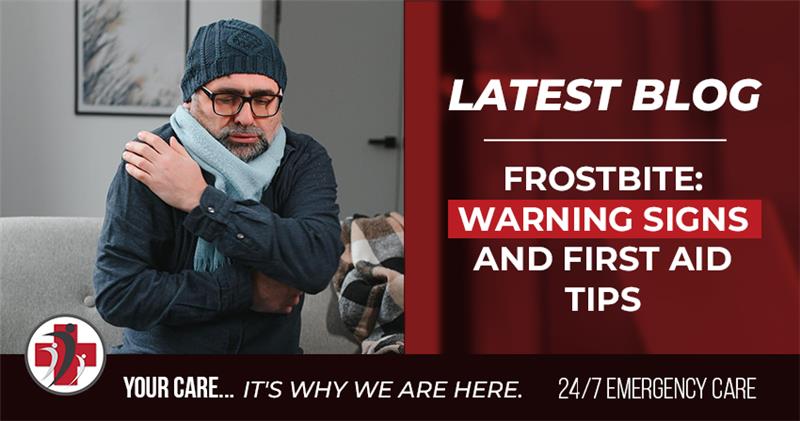
When people think about frostbite, they often imagine extreme winter conditions in very cold states. But frostbite can happen anywhere, even in Arizona, especially during cold waves, windy weather, or long outdoor exposure at night.
Frostbite is a serious condition that happens when skin and underlying tissues freeze. If not treated quickly, it can cause permanent damage. Knowing the early warning signs and what to do right away can help protect your health.
What Is Frostbite?
Frostbite occurs when your body is exposed to cold temperatures for too long. Cold reduces blood flow to the skin, especially in areas like fingers, toes, ears, nose, and cheeks. When tissues freeze, damage can happen fast.
Frostbite is most common during:
- Cold waves or sudden drops in temperature
- Windy weather
- Long periods outdoors without proper clothing
- Late-night or early-morning exposure
- Alcohol use, which lowers body temperature awareness
Early Warning Signs of Frostbite
Catching frostbite early can prevent serious injury. Mild frostbite symptoms may include:
- Cold or numb skin
- Tingling or stinging sensation
- Pale, red, or slightly gray skin
- Skin that feels firm or waxy
At this stage, warming the area quickly can often prevent further damage.
Serious Frostbite Symptoms You Should Not Ignore
Seek emergency medical care if you notice any of the following:
- Complete numbness in the affected area
- Skin that turns white, blue, or gray
- Hard or frozen skin that does not move
- Blisters forming after rewarming
- Severe pain or swelling
- Fever or signs of infection
These symptoms may indicate deeper tissue damage that requires professional medical treatment.
Common Areas Affected by Frostbite
Frostbite most often affects body parts with less blood flow, including:
- Fingers and toes
- Ears
- Nose
- Cheeks
- Chin
Children, older adults, and people with circulation problems are at higher risk.
First Aid Tips for Frostbite
If you suspect frostbite, take action immediately. Quick first aid can reduce damage.
What You Should Do
- Move to a warm, dry place as soon as possible
- Remove wet or tight clothing
- Warm the affected area gently using body heat or warm water
- Use warm water, not hot, to rewarm frozen skin
- Protect the area with loose, clean bandages
What You Should NOT Do
- Do not rub or massage frostbitten skin
- Do not use direct heat like heating pads, fires, or hot water
- Do not pop blisters
- Do not walk on frostbitten feet if possible
Improper warming can cause more harm to already damaged tissue.
When Frostbite Becomes a Medical Emergency
Frostbite should be treated as an emergency if:
- Skin is numb and does not regain feeling after warming
- Skin color remains pale, blue, or gray
- Blisters or severe swelling appear
- Pain becomes intense after rewarming
- Frostbite affects the hands, feet, face, or joints
Delaying care can increase the risk of permanent damage or infection.
Emergency Care for Frostbite in Arizona
At Fountain Hills Emergency Room and Medical Center, our medical team provides fast evaluation and treatment for frostbite and cold-related injuries. Even in Arizona, cold exposure can be dangerous during sudden temperature drops and winter storms.
If you or a loved one shows signs of frostbite, do not wait.
Contact Information
- Medical Clinic: (602) 671-7981
- 24/7 Emergency Room: (602) 671-7990
- Billing Office: (480) 339-4825
Location
Visit our modern facility in Fountain Hills, AZ, open 24/7 for emergency and family medical services.
9700 N. Saguaro Blvd, Fountain Hills, AZ 85268
How to Prevent Frostbite
Simple steps can greatly reduce your risk:
- Dress in warm layers when temperatures drop
- Cover exposed skin, especially hands, ears, and face
- Limit time outdoors during cold and windy weather
- Keep dry and avoid tight clothing
- Check weather alerts during cold waves
Even short exposure can lead to frostbite in extreme conditions.
Final Reminder
Frostbite can start quietly but turn serious quickly. Paying attention to early warning signs and knowing what to do can protect your health and prevent long-term injury.
If something feels wrong or symptoms worsen, emergency care is always the safest choice.
Yes, though less common, heart attacks can occur in people under 40, especially those with risk factors like smoking, obesity, or family history.
No, some heart attacks, especially in women and older adults, can present with mild discomfort, fatigue, or shortness of breath instead of severe chest pain.
Symptoms can last from a few minutes to several hours. Persistent or worsening symptoms require emergency care.
Yes, anxiety can mimic heart attack symptoms, such as chest tightness and shortness of breath. However, it’s always safest to rule out a heart emergency.
Yes, women often experience atypical symptoms like nausea, back or jaw pain, extreme fatigue, or shortness of breath.
A heart attack occurs when blood flow to the heart is blocked. Cardiac arrest is when the heart stops beating entirely, often caused by a heart attack or arrhythmia.
Immediately. Every minute counts. Call emergency services without delay to prevent permanent heart damage.
Yes, a healthy diet, regular exercise, quitting smoking, and stress management significantly lower the risk of heart attacks.
Yes, even without obvious symptoms, silent heart attacks can damage the heart and increase future heart disease risk.
Only under a doctor’s guidance. Regular aspirin can reduce blood clot risk, but it also has side effects. Consult your physician before starting any medication.