
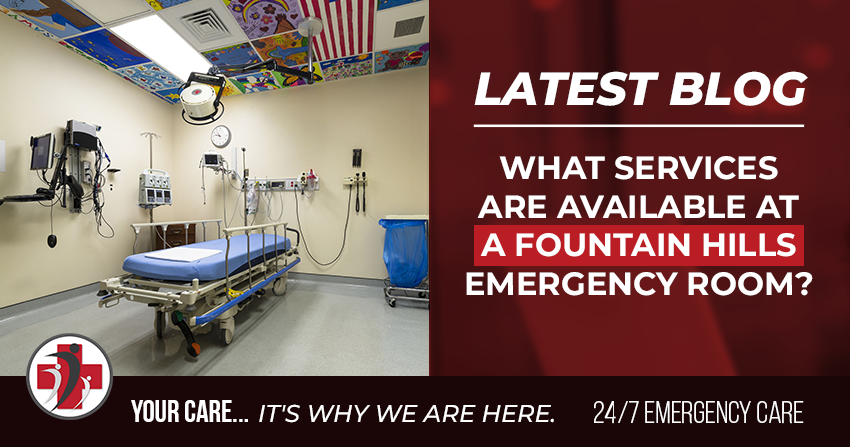
When a medical emergency happens, most people are not thinking about what services an emergency room offers; they are simply looking for fast help. But understanding what a Fountain Hills emergency room actually provides can make a big difference in how confidently and quickly you respond during a crisis.
Emergency rooms today are not limited to basic first aid or temporary relief. Modern facilities are designed to deliver comprehensive, rapid, and advanced medical care under one roof, allowing patients to be evaluated, diagnosed, and treated without unnecessary delays. Whether it is a sudden injury, severe pain, or an unexplained medical symptom, emergency rooms are equipped to handle a wide range of conditions at any time of day.
This guide explains the key services you can expect at a Fountain Hills emergency room so you know exactly what is available when you or your family needs urgent medical attention.
24/7 Emergency Medical Care
The most essential service offered by any emergency room is continuous access to care. A Fountain Hills emergency room operates 24 hours a day, seven days a week, ensuring that patients can walk in at any time without waiting for an appointment or office hours.
This constant availability is crucial because emergencies rarely occur at convenient times. Whether symptoms appear late at night, early in the morning, or during holidays, patients can receive immediate medical attention without delay. The ability to access care instantly provides both safety and reassurance in high-stress situations.
Rapid Medical Evaluation and Triage
When a patient arrives at an emergency room, one of the first services they receive is a medical evaluation, often referred to as triage. This process helps medical staff quickly assess the severity of the condition and determine how urgently treatment is needed.
In a Fountain Hills emergency room, trained professionals evaluate symptoms such as pain level, vital signs, and overall condition to prioritize care effectively. This ensures that patients with life-threatening conditions are treated immediately, while others are still seen in a timely manner.
The goal of this service is to streamline care and make sure every patient receives appropriate attention based on their medical needs.
On-Site Diagnostic Imaging
One of the most important services provided by modern emergency rooms is advanced diagnostic imaging. Instead of sending patients to separate facilities, everything is available in one place, which significantly reduces delays.
A Fountain Hills emergency room typically offers imaging services such as X-rays and CT scans. These tools allow physicians to quickly examine bones, organs, and internal structures to identify injuries or underlying conditions.
For example, an X-ray can help detect fractures or lung issues, while a CT scan can reveal internal bleeding, head injuries, or other serious medical concerns. Having these capabilities on-site ensures faster diagnosis and more efficient treatment decisions.
Laboratory Testing Services
In addition to imaging, emergency rooms also provide in-house laboratory testing. These tests play a critical role in identifying infections, evaluating organ function, and detecting medical abnormalities.
Blood tests are commonly used to check for signs of infection, dehydration, or cardiac issues. Urine tests may help diagnose urinary tract infections or other underlying conditions. In many cases, results are available within a short period, allowing physicians to act quickly.
This immediate access to lab testing eliminates the need for external referrals and helps ensure that treatment begins as soon as possible.
Cardiac Care and Monitoring
Chest pain, shortness of breath, and dizziness are symptoms that require immediate attention because they may indicate heart-related conditions. A Fountain Hills emergency room is equipped to provide rapid cardiac evaluation and monitoring for such cases.
Services often include electrocardiograms (EKGs), heart rate monitoring, and blood tests that detect cardiac markers. These tools help physicians determine whether a patient is experiencing a heart attack, irregular heartbeat, or another cardiovascular issue.
Quick cardiac assessment is essential because early intervention can significantly improve outcomes in heart-related emergencies.
Treatment for Injuries and Trauma
Emergency rooms are fully prepared to handle a wide range of injuries, from minor cuts to more serious trauma. This includes treatment for fractures, sprains, burns, deep cuts, and head injuries.
Medical teams can clean and dress wounds, stabilize fractures, and provide pain management on-site. In more serious cases, they can perform immediate interventions to prevent complications and stabilize the patient before further care is needed.
Having access to trauma care within the emergency room ensures that injuries are treated quickly and appropriately without unnecessary delays.
Illness and Infection Management
Not all emergency visits are related to injuries. Many patients seek care for sudden or severe illnesses that require prompt treatment.
A Fountain Hills emergency room is equipped to diagnose and treat a variety of conditions such as flu symptoms, high fever, respiratory infections, stomach illnesses, and allergic reactions.
Physicians evaluate symptoms, perform necessary tests, and provide treatment to help relieve discomfort and prevent complications. This is especially important when symptoms appear suddenly or worsen rapidly.
Neurological Evaluation Services
Symptoms such as sudden headaches, dizziness, confusion, or weakness may indicate neurological concerns that require immediate attention. Emergency rooms are trained to evaluate these symptoms quickly to rule out serious conditions like strokes or other brain-related issues.
Neurological assessments may include imaging tests, physical examinations, and monitoring of vital signs. The goal is to identify potential risks as early as possible and begin treatment if needed.
Rapid evaluation of neurological symptoms is critical because time-sensitive conditions require immediate action to prevent long-term damage.
Pain Management and Stabilization
Pain is one of the most common reasons patients visit an emergency room. Whether it is caused by injury, infection, or an unknown condition, managing pain quickly is an important part of emergency care.
Emergency physicians focus on stabilizing the patient and reducing discomfort while identifying the underlying cause. This may involve medication, treatment procedures, or further diagnostic evaluation. The goal is not just to relieve symptoms temporarily but to ensure that the patient is stable and safe.
Medication Administration and Prescriptions
Once a diagnosis is made, emergency rooms can provide immediate medication to begin treatment. This is especially helpful for infections, allergic reactions, or conditions that require fast intervention.
In many cases, patients also receive prescriptions and instructions for continued treatment after leaving the facility. This ensures that recovery continues smoothly and that symptoms do not return or worsen. Having access to medication during the same visit helps speed up the overall healing process.
Patient Monitoring and Observation
Some conditions require patients to be observed for a period of time before a final decision is made about treatment or discharge. Emergency rooms provide monitoring services to track vital signs, symptoms, and response to treatment.
This is particularly important for conditions that may change rapidly or require careful evaluation over time. Continuous monitoring allows physicians to adjust treatment if needed and ensure patient safety before discharge.
Coordination for Follow-Up Care
Emergency care often serves as the first step in a patient’s treatment journey. After initial stabilization, many patients require follow-up appointments, specialist referrals, or additional testing.
A Fountain Hills emergency room provides guidance on next steps, ensuring that patients understand how to continue their care after leaving the facility. This may include instructions for recovery, medication use, or scheduling further medical visits.
This coordination helps maintain continuity of care and supports better long-term health outcomes.
Conclusion
A Fountain Hills emergency room offers far more than just immediate medical attention. It provides a full range of services designed to diagnose, treat, and stabilize a wide variety of medical conditions quickly and effectively.
From advanced imaging and laboratory testing to cardiac care, injury treatment, and illness management, these facilities are equipped to handle both minor and serious emergencies under one roof. The availability of 24/7 care, combined with rapid diagnostics and experienced medical staff, ensures that patients receive timely and reliable treatment whenever they need it.
Understanding these services in advance helps you feel more prepared and confident during medical emergencies. Because when health concerns arise, knowing exactly where to go, and what care is available, can make all the difference in getting the right treatment at the right time.